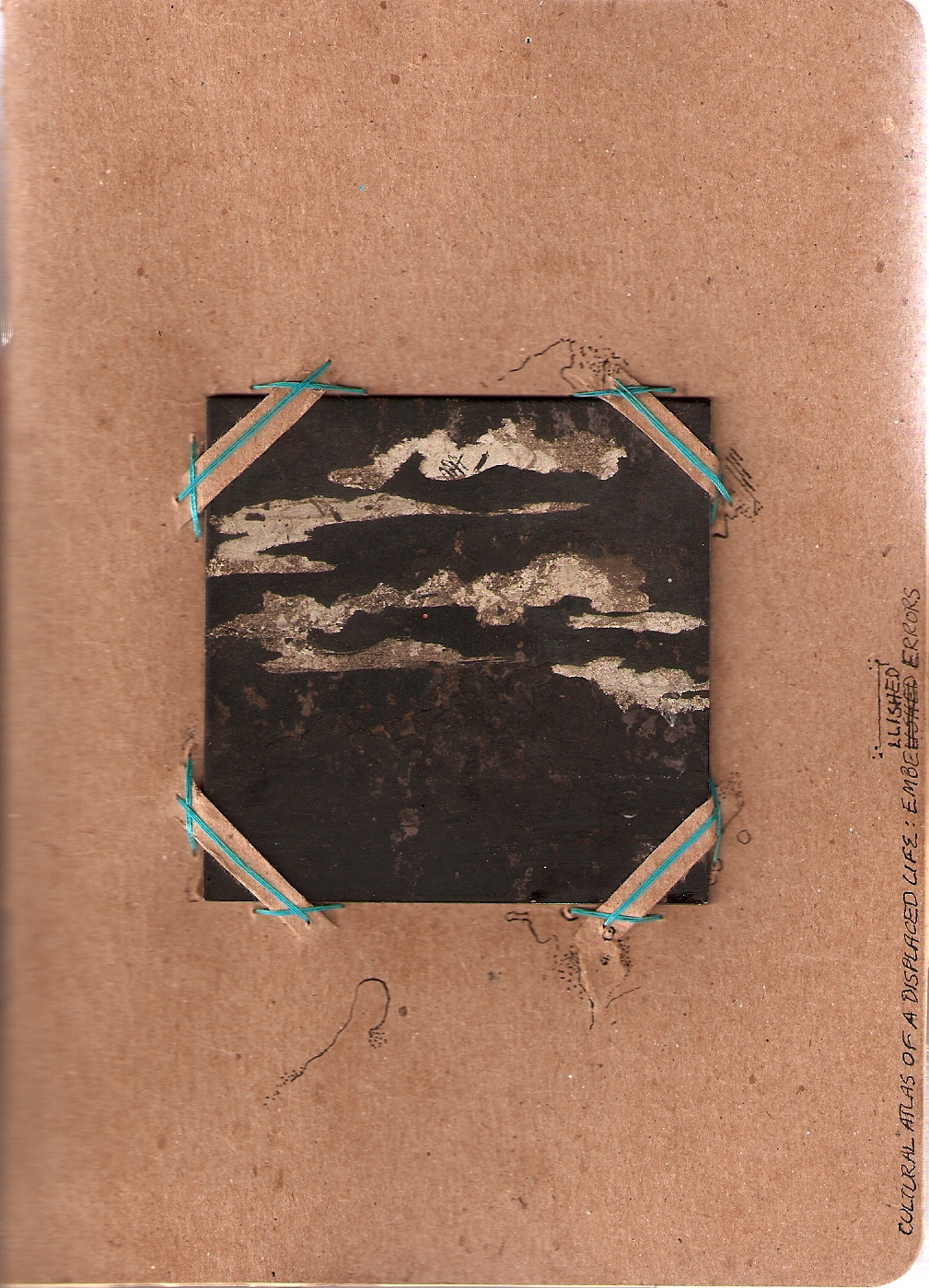
Saturday, April 21, 2007 for Robin Kay Broussard by Bonnie McClellan

On the 15th of April 2007, I woke up at six a.m. I was, at the time, 8 months pregnant with my first (and so far only) child. Even lying very still on my side I could feel a trickle of water on the inside of my leg along with an achy squeezing sensation across the lower half of my stretched, egg-shaped belly. I thought, “Okay, this must be it.” She was a month early and also small for her gestational age but my daughter was about to be born.
We live in Italy and at that time were staying in an apartment in the basement of an old mill in a valley outside of Florence. Picturesque and romantic, a wood stove for heat and a camp stove for cooking; cold running water and our friends Sandro and Adele upstairs with a working bath. I spent my mornings lumbering along the paths near the stream gathering kindling or sitting next to the stove reading. We had already rented a new apartment in Carrara and had made appointments at the hospital there to go in and get the final tests and find out what we needed to know about what to do for the birth. I remember when we visited the hospital there, as I stood outside the maternity ward, I heard a woman in labour screaming and thought, “Can it really be that bad? Maybe she didn’t prepare well? I certainly won’t be that hysterical.”
Now all of those plans and appointments were off. Matthew helped me out to the car and we started the bumpy ride up the stone paved road that led out of the valley. About half way to the nearest hospital the contractions were five minutes apart and for every other one we had to stop so that I could open the car door and throw up…it was about then that I started wondering how many more hours of this I had to go. I was excited, we would finally see her! I was worried, why was she coming early, was there something wrong? I don’t remember if I was scared.
The one comforting thought was that it would end, I tried the slow breathing, tried imagining the contraction as a squeezing wave and tried relaxing into it. All of that worked, well, sort of worked on the alternate contractions when I wasn’t having the uncontrollable, stomach-emptying, nausea. Still, there was the space in between to gather my wits and try to get my brain around the idea that the baby was finally coming.
It took us twenty minutes to reach the emergency room at Ospedale S, Maria Annunziata at Ponte a Niccari just outside of Florence. In a very brief time I had a bed in a room with about a dozen other women, some in labour, some there for tests, some there because they had a scheduled birth. They may have done a sonogram, they may have done a quick cervical check…I don’t remember. I will say now that despite having read descriptions of labour, listened to friends describe their childbirth experience, and seen preparatory films, none of it truly prepared me for the experience. I suppose that would be impossible, each labour and birth is as unique as the child that comes forth from it and the woman who experiences it.
It is true that I don’t remember the pain, per se. I remember it like I might remember a photograph, in describing it, it’s as if I were watching an almost silent film of myself. I remember more than any other sound, the sound of the monitor that kept track of the baby’s heartbeat. I remember Matthew asking the nurses and obstetricians questions, or at least I remember the sound of his voice. I remember hearing sounds come out of my mouth, and not really caring what they were, being surprised to hear myself saying in Italian, “Dio Santo, aiutami.” But mostly the beeping of the monitor and the red numbers that went up and down.
So the labour continued…contractions closer together and they decided to move me to the birthing room, which was cool with low lighting. Our girl was very small so I had thought she would come quickly but instead she kept starting out and going back in again. The obstetrician checked and indicated it would be soon but then no. The baby was turning and so they were moving the monitor around to find her heartbeat and then the surgeon came in. I didn’t understand what he was saying but I saw Matthew’s face blanch and knew. I said, “They want to cut her out don’t they?”
A cesarean section was the very last thing that I had wanted. I had made a list of things to tell the hospital staff when we had planned to have the birth in Massa, #1. No Cesarean unless absolutely necessary! So here we were. Matthew asked him if it was absolutely necessary and the surgeon said yes, the baby was small and her heart rate was going from 40 to 200 she might not have the strength to do that much longer. I could tell that the obstetricians didn’t agree with the surgeon, they were saying things I didn’t understand completely with clouded expressions. Now I was scared.
They wouldn’t let Matthew come with me into the operating room, they took my glasses off so that all things except the anaesthesiologist’s hands were blurry. The obstetrician leaned my head against her shoulder, and put her arms under mine to help me hold still. Nothing like being told to relax and not move so that they can put a needle in your spine while having a pushing contraction! After that they laid me back down and within a few minutes, no more contractions, no pain, nothing. I was so frightened and tense that I was shaking uncontrollably, could not hold the top half of my body still, could only unclench my teeth with great difficulty and I felt terribly cold. The anaesthesiologist was a gem, he spoke some English, was careful to ask for my name and say it correctly, he held my hand and explained the one of the reasons I was shaking so hard was an effect of the anesthesia. He asked me about what I did. When I told him I was a poet he teased the surgeon into reciting some Wordsworth. He explained everything that was happening on the other side of the drape where i could vaguely feel some pulling. And then I heard her…she was out, she could breathe, she was safe. That sense of relief and joy was as profound as any I’ve ever known. Matthew said that standing outside the door of the operating room he heard her and cried and checked the time, 3:39 pm.
The staff in the operating room kept saying, “Look, you have a beautiful daughter!” I kept trying to explain in my inadequate Italian that without my glasses she was a small fuzzy blotch in the midst of a sea of blue scrubs. Finally they brought her over to me. I was still flat on my back and unable to move so I saw her upside down little face. I wanted terribly to hold her but was afraid to touch her with hands still shaking so uncontrollably. I touched her only lightly, she took her tiny hand and put it in my mouth. She weighed just under 4 lbs. so they took her immediately up to the neonatal unit to stay in the incubator, stopping to let Matthew see her for the first time.
It was 24 hours before I could see her again, between her need to be monitored and my inability to get out of bed I had to wait. Matthew went up and down between floors and told me how she was doing and what she looked like. The next day I went up in a wheelchair to see her (right side up for the first time). And, I imagine, like most new mothers, I thought she was the most beautiful baby I’d ever seen.









 Bonnie McClellan-Broussard